

Infancy & Toddlerhood
Infants are more in control of their responses and body. He or she may stretch out their arms when they want to be picked up or held; they use sounds, facial expressions to communicate their wants and needs. An infant may smile when content or yawn when feeling tired.
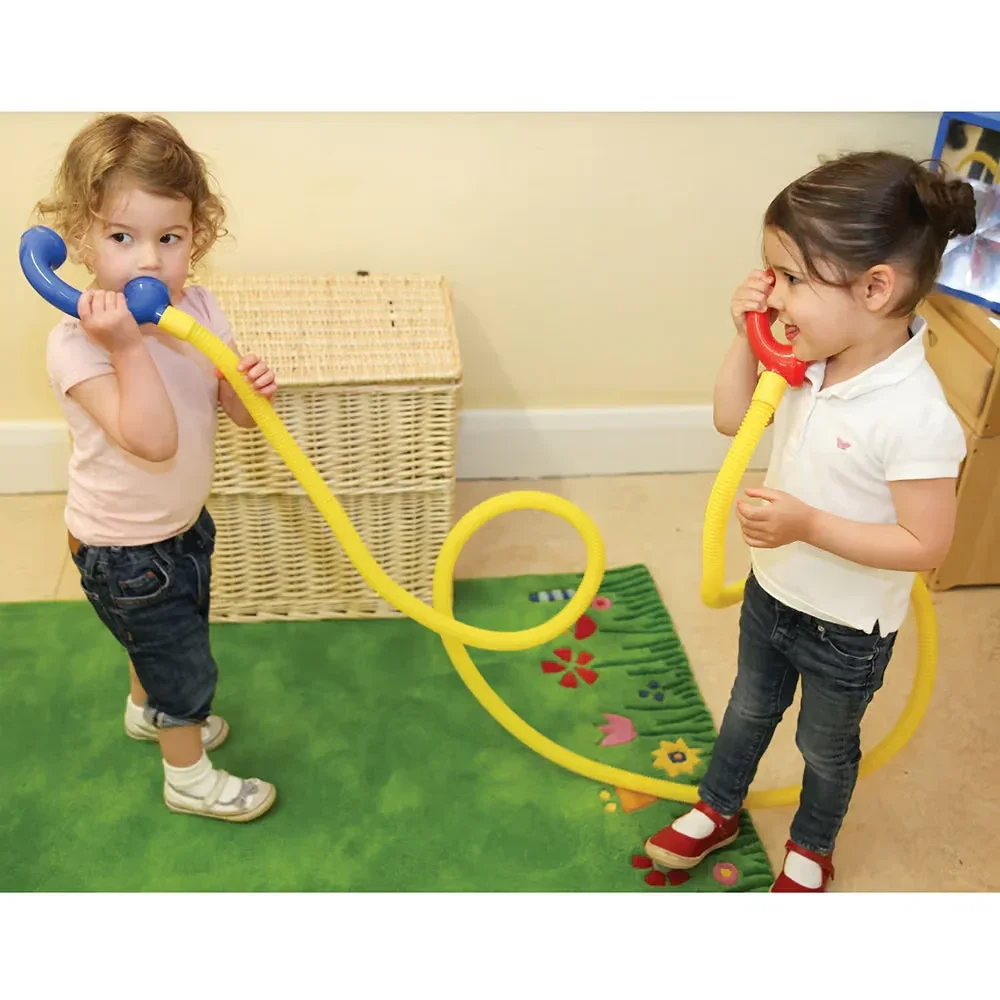
Observation & Imitation
Infants and toddlers watch other and then imitate what they see others doing. For example, he or she may see another child talking on a toy telephone and they imitate that action by putting a toy to their ear.

Language & Sense of Accomplishment
Toddlers are getting used to using language as their main source of communication. For example, when free play is over in the classroom and it is time to sit in a circle to listen to story time, toddlers may vocalize their disappointment by saying, "I was not ready to clean up my blocks. I want to play some more!" Additionally, patience is needed by the caregiver when a toddler achieves a sense of pride when he or she can pour milk on his or her own. Independence is a huge feat at this stage.

Strategies Teachers & Caregivers Can Use
Observe and notice infant and toddler's cues and how they react to certain stimuli. Perhaps a teacher may adjust the noise level if the child is accustomed to a calmer, quieter environment.
Observe notable toddler frustrations and times of day when this occurs. Consider ways to alter routines.
Help toddlers to maintain a sense of control by offering a hug or letting them know you are nearby to help in times of irritability and frustration.